
Publish date: 12 February 2026
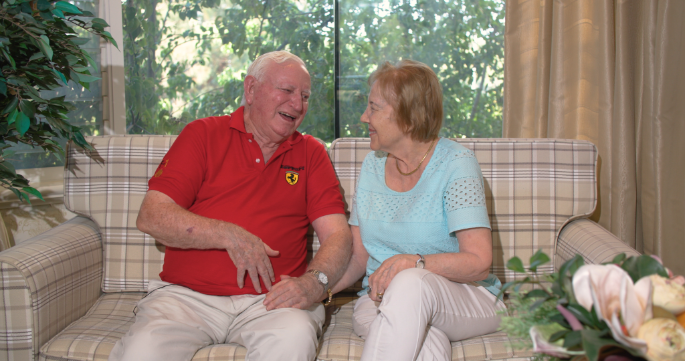
Noticing changes in someone you love can be concerning. If your loved one is finding it more challenging to look after themselves, you may start to wonder whether they need more support than can be provided at home. Considering Residential Aged Care is a significant and emotional step for both older people and those who care about them.
When an older person is no longer able to live safely or independently at home, a Residential Aged Care home can offer personalised care and peace of mind . We design Residential Aged Care homes to be welcoming and supportive, providing the care your loved one needs while helping them transition into a new phase of life with dignity, comfort and connection. Knowing when and how to start the conversation about aged care can be difficult. If you are a friend, family member or carer, understanding the signs that someone may not be coping can help you explain why it’s important to consider the next step.
We’re here to help. This guide is designed to help you recognise the signs that your loved one may benefit from extra support, and to understand when it might be the right time to consider Residential Aged Care.
Signs it may be time to move into Residential Aged Care
1. An increase in trips, falls or mobility challenges
As people age, mobility can become more difficult, increasing the risk of accidents and injuries. You might notice small incidents, such as trips, falls, or dropping items, or more serious events, such as painful falls . Your loved one may also seem less confident moving around, reluctant to leave the house, or become extremely fatigued after everyday activities.
These are all indications they need specialised care. In Residential Aged Care homes, safety features and trained staff support mobility and independence, helping residents feel more confident, comfortable, and secure .
2. Difficulty managing household chores
Perhaps your family member once took great pride in their home, but it now seems less tidy, uncared for or not maintained . Gardens may become overgrown, rubbish may build up, or fresh food supplies may not be replenished regularly.
You may also notice increased clutter or hoarding, along with distress at the idea of throwing anything away. These changes can be signs that daily tasks have become overwhelming .
3. Changes in personal grooming and self-care
Uncharacteristic changes in appearance can be another sign. Your loved one may lose weight or become noticeably more frail, possibly due to missed meals. Reduced mobility can make everyday tasks like bathing, using the toilet, or doing their hair difficult, leading to unintentional neglect of hygiene and self-care.
4. Memory loss and confusion
Memory changes may include confusion about time or place, getting lost in familiar areas, using unusual words to describe things or putting items in strange places .
While short-term memory may decline, long-term memories often become more prominent . Your loved one may believe their adult children are still young or forget that people close to them have passed away. Although good and bad days are common, an increase in these incidents is a sign to check in with a GP.
5. Changes in mood or social withdrawal
Has your loved one stopped going out or lost interest in activities they once enjoyed? Withdrawal, changes in sleep or appetite and ongoing low mood can all be signs of depression, which is common among older people and can significantly affect wellbeing.
Residential Care can help provide older people with new friendships, connections and opportunities to participate in social outings and a variety of activities they love.
6. Increased pressure on carers and loved ones
Caring for someone who needs increasing support can be physically and emotionally demanding. If you feel overwhelmed, exhausted or worried about their safety, this is completely understandable and normal, and may be a sign that more comprehensive care is needed.
Starting the conversation about Aged Care
Talking about Residential Aged Care can feel daunting, but open and compassionate conversations are essential.
Choose a quiet time to talk one-on-one , without a large group present. Be calm, respectful and honest, and avoid negative or accusatory language. Make space for vulnerability, and acknowledge how difficult the topic may feel.
It is important to include your loved one in the decision-making process . Give them the opportunity to share how they feel, so they know they still have choices. Where possible, gently guide them towards making the decision themselves. Feeling involved can make the transition far more positive.
What to do if you notice the signs
If you have concerns, it is a good idea to:
- Check in regularly with your GP for support and advice
- Discuss any changes you have noticed
- Ask about cognitive testing or referrals to specialists if needed
- Encourage your loved one to talk openly about their care needs
A GP can also help start conversations about Aged Care and provide guidance on next steps.
Bethanie can help
Considering Aged Care for your loved one can be challenging and emotional, but you do not have to navigate it alone.
Bethanie is here to guide you through the process and help you understand the Aged Care system, from getting started to finding the right support for your family. Contact us to learn more about the application process and how to get started with Aged Care.
If you would like personalised guidance, our friendly team is just a phone call away. We are here to listen, answer your questions and support you every step of the way.